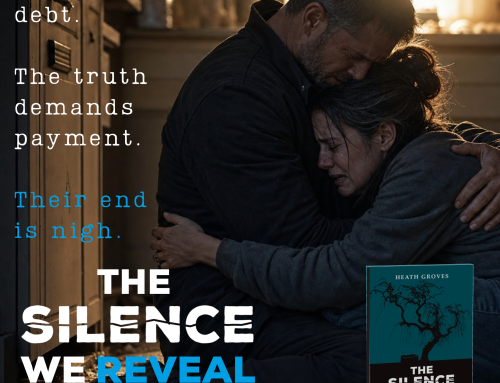
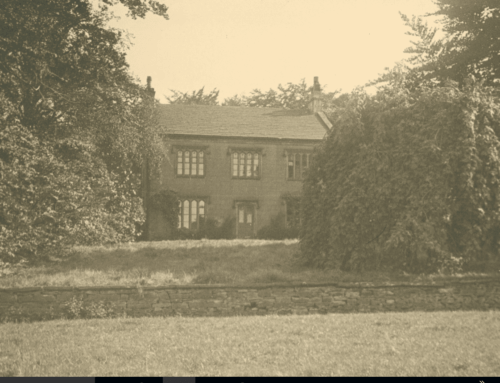
The Iraq third act in *The Silence We Share* is deliberately jarring because it is where the series cashes in the emotional debt from Book One and fully earns the devastation of Moorside. It is placed late, not because the backstory is an afterthought, but because the fallout of the cliffhanger in *The Silence We Hide* must land first, with the Iraq sequence then reframing everything the reader thinks they know about Seth, Natalia and Tam.
The cliffhanger, the pay‑off, and escalation
*The Silence We Hide* ends on a major structural cliffhanger: the Overaugh family has crossed a moral Rubicon, and Book Two opens with readers demanding immediate answers about consequences, not history. The second novel is the “major fallout and escalation” entry of the trilogy, so the first two acts stay locked in the here‑and‑now -police pressure, digital evidence, social media storms, and a missing boy – because withholding that pay‑off would feel like narrative bad faith.
Putting Iraq earlier would have delayed the emotional resolution readers were promised at the end of Book One. The pacing analysis we shared reflects this: tension spikes hard early, dips as the immediate crisis “stabilises”, and then climbs again toward a sustained, intentionally suffocating final act – exactly the curve you expect when a story moves from reaction, to reckoning, to revelation.
Why Iraq had to come in Act Three
Once those immediate questions are answered-who survived, who is culpable, who is broken but still standing – the trilogy’s bigger question comes to the fore: why do these people make the choices they make? Act Three’s shift to Iraq is the moment the series stops asking “why did they do that?” and starts asking “who are they when everything is stripped away?”
Seth and Natalia’s military past, the operational mindset, and their experience of controlled violence are not flavour; they are the toolkit they reach for in Moorside when the intruder dies, and the cover‑up begins. Their decisions around body disposal, evidence management, and silence are unthinkable for an ordinary suburban family, but utterly coherent when the Iraq chapter reveals how they learned to live with “necessary” brutality, moral grey zones, and chain‑of‑command loyalty.
Why not front‑load or intercut the flashbacks?
When the second book was being structured, there were essentially three options:
Iraq First
This would have meant asking readers to sit through an entirely new theatre of war before discovering how the Overaughs survive the home‑invasion and Brendan fallout. Given the scale of the Book One cliffhanger, it would have felt like the story had changed the subject at the exact moment tension was highest.
Intercut Iraq through Acts One and Two.
This solves chronology but breaks momentum. Every time the domestic thriller tightens – police interviews, Jonah’s custody arc, the statue escalating the dreams – the reader would be yanked away into a different timeline. The result (using early feedback) was a constant sense of stop-start: the Iraq material was strong, but it interrupted rather than deepened the here‑and‑now stakes.
Hold Iraq for a dedicated third‑act block.
The final choice was to let readers have an almost clean run through acts one and two: the pay‑off from *The Silence We Hide*, the escalation with the investigation and Jonah’s remand, the intrusion of the supernatural through the statue and the shared dreams. Only when those threads are tight does the book slam on the brakes, drop into Iraq, and say: “This is why they are like this. This is why they do not break.” From there, the story can accelerate without further interruption toward *The Silence We Reveal*.
The verdict from conversations and pacing feedback was clear: a single, bold dislocation in Act Three was less damaging to immersion than repeatedly fracturing Acts One and Two.
Why the jolt is intentional – and necessary
This jarring is doing thematic work. War is not a neat prequel vignette; it is a fault line running under the Overaughs’ present and surfacing it late places the reader in the same disorientation the characters feel when past training dictates present choices.
By forcing the reader to re‑evaluate Seth and Nat after two acts of “normal” domestic crisis, the book makes their unwavering loyalty and ruthlessness legible in a new light. The Iraq Act shows:
- Why Seth’s violence is so controlled, then so catastrophic once the dam breaks.
- Why Natalia flips from protective mother to someone capable of sanctioning murder.
- Why Tam can step into their world as a key protagonist without long exposition, the reader has already lived through the formative crucible that bonded them.
In other words, the Iraq third act is not an apology for who they become – it is the proof. Once you have stood with them on operations, the choices at Moorside are horrifying, but no longer inexplicable.
A clean run into *The Silence We Reveal*
Ending *The Silence We Share* with Iraq behind us gives Book Three a clear runway. The reader leaves Book Two knowing:
- Exactly how far these characters will go for each other.
- What skills, scars and secrets do they bring back from Iraq to Moorside?
- That the statue and the dreams are binding their present to older, darker histories in the house.
If Iraq were still being drip‑fed in flashbacks, *The Silence We Reveal* would have to spend precious pages finishing backstory instead of driving into the consequences – both legal and supernatural – of everything the Overaughs have already done. By taking the hit of a single, deliberate structural jolt in Act Three, the trilogy preserves what matters most: a relentless forward motion from that point on.
For Moorside House readers, then, the message is simple: yes, the switch to Iraq is abrupt. It is meant to be. War is the scar tissue under every choice Seth, Natalia and Tam make, and the only honest place to show that in full is once the present‑day silence has already started to crack.
Hopefully, this explanation helps you, as readers, understand the thought process and detail that is taken in crafting the Series of Silence to make it the most enjoyable experience possible for you as an audience.